

Blog
Life at Low Reynolds Number: Why a Micron-Scale Swimmer Cannot Coast
Cut a swimmer down to a few microns and inertia disappears entirely. What is left is a world where motion stops the instant the pushing does, and where symmetry decides whether you go anywhere at all.
The Society of Rheology Turns 97: Colloids and Soft Matter Head to Boston This October
The 97th Annual Meeting of The Society of Rheology runs October 25-29 in Boston. The poster and Gallery of Rheology deadline is August 14 — here is why colloid and soft matter researchers should look.
A 70-Year-Old Dispersion Law Meets Self-Propelled Swimmers
Does the classic Taylor-Aris dispersion law survive when the particles swim on their own? A microfluidic experiment with live microalgae says yes.
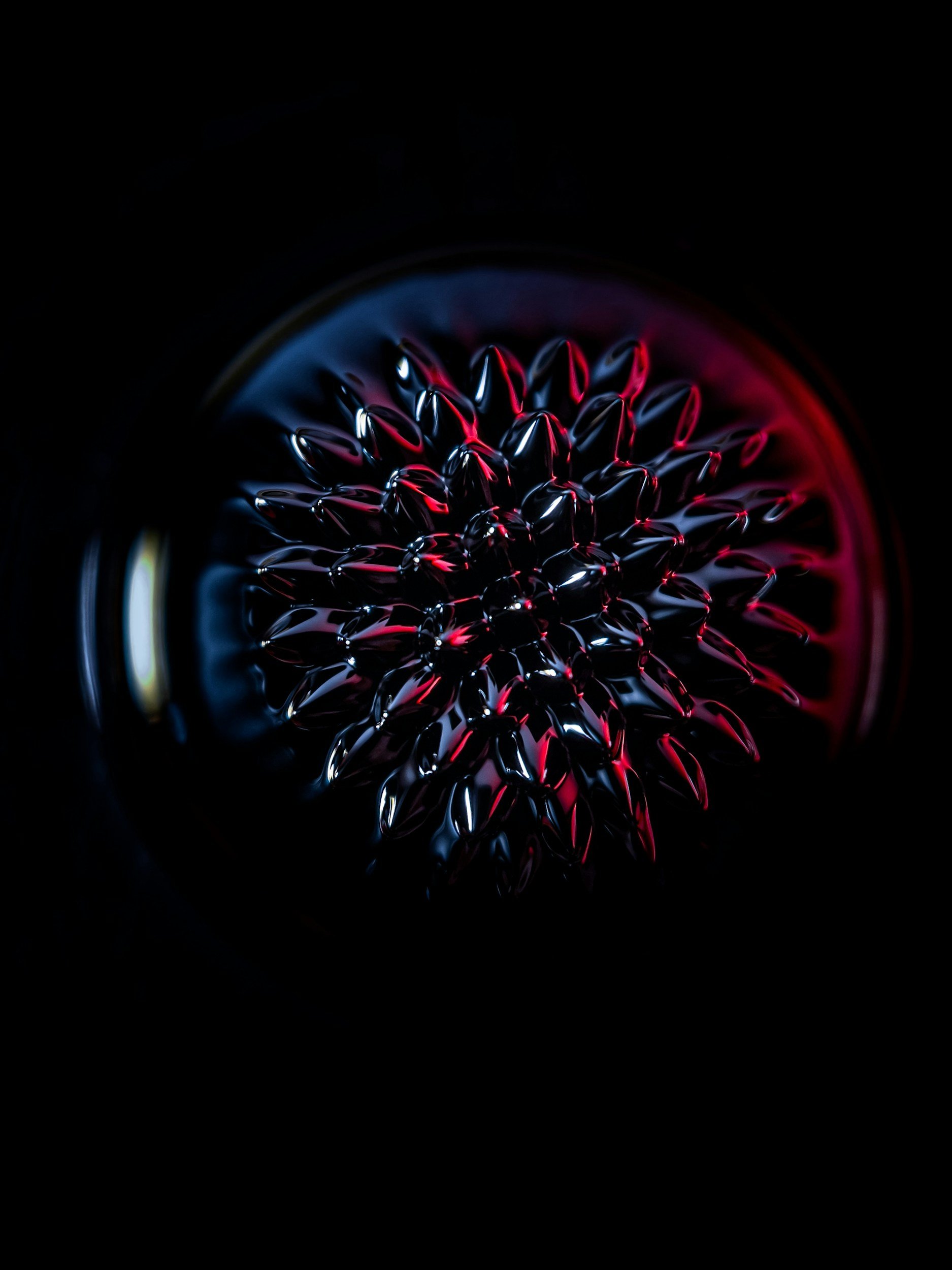
Moving the Magnet Off-Center: Designing What a Colloid Builds
Group member Jonathan Victoria-Camacho shows that shifting a magnetic particle's dipole away from its center changes which structures it assembles into — loops, worms, chains, and more.
Why Some Colloids Stay Suspended and Others Clump: DLVO Theory and the Electric Double Layer
Whether milk stays milky or mud settles out comes down to a contest between two forces acting across nanometers. DLVO theory keeps the score.

Professional Services Opportunity: Project Coordinator
Seeking a highly organized and proactive Project Coordinator to support research and innovation initiatives through project management, proposal development, administrative coordination, and stakeholder engagement in a dynamic academic environment.

How Particle Size Ratio Reshapes a Magnetic Colloidal Suspension
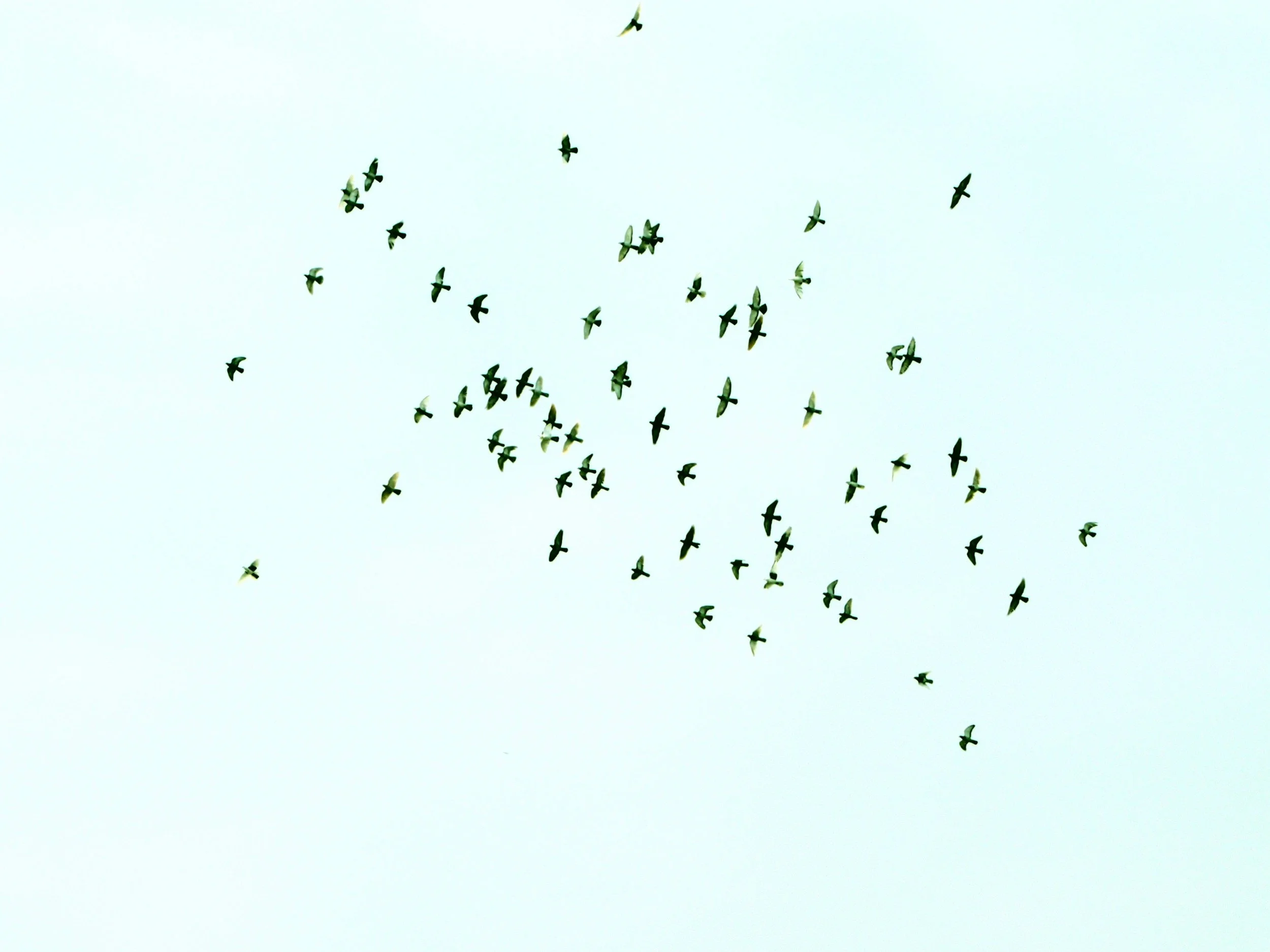
When Particles Synchronize and Swarm — A Tunable Colloidal Swarmalator
APS DFD 2026 Heads to Orlando — Why the Soft Matter and Colloidal Community Should Be There

What the Péclet Number Tells Us About Particle Transport

Oportunidad para Estudiantes: Sé Parte de Iniciativas Filantrópicas
Convocatoria: Se buscan estudiantes subgraduados comprometidos que deseen adquirir experiencia práctica mientras apoyan iniciativas filantrópicas de alto impacto.
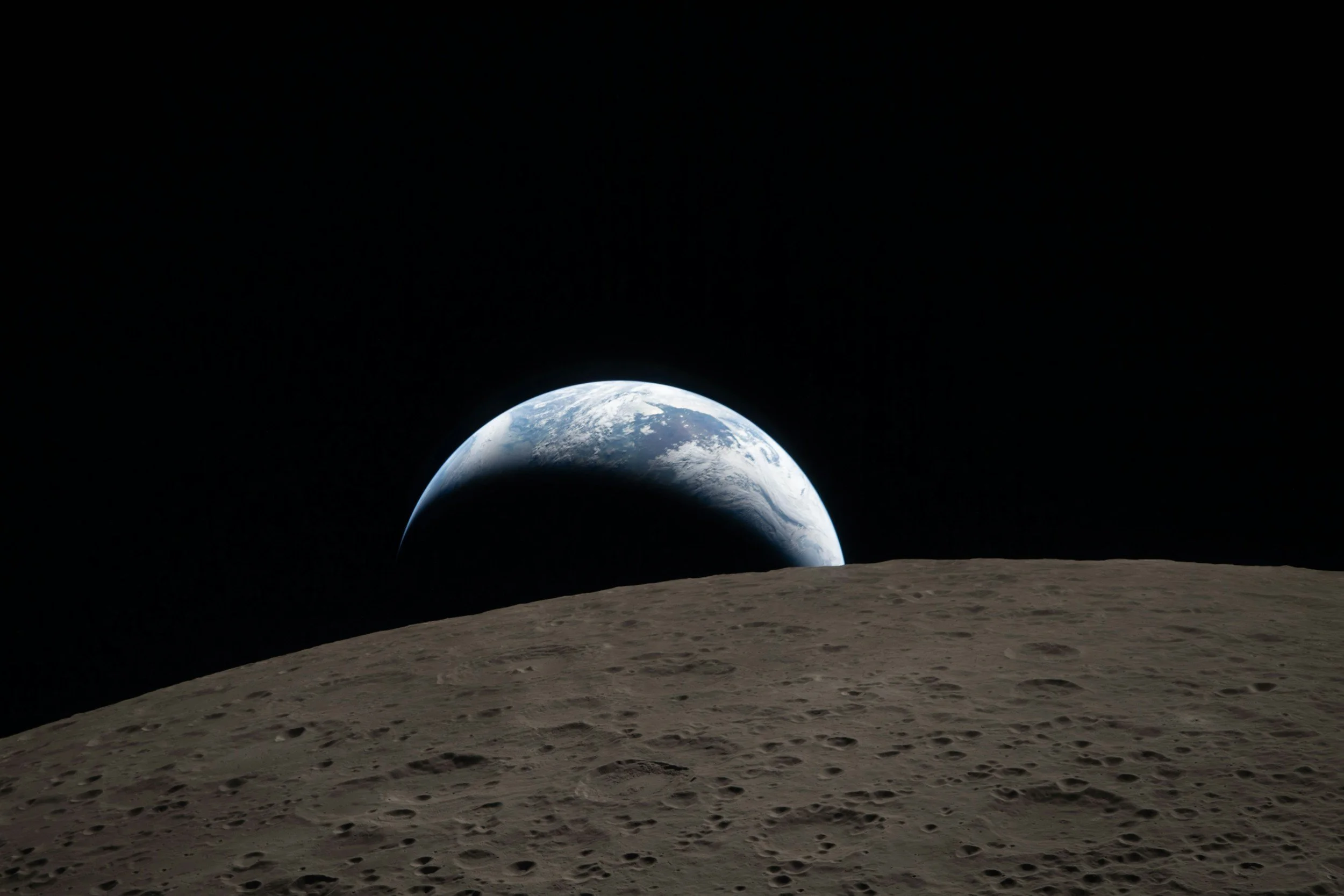
From Target to Particle: Inverse Design Comes to Colloidal Self-Assembly
Generative models, surrogate optimization, and reinforcement learning are flipping the colloidal self-assembly workflow from forward to reverse.
One Hundred Years of Colloid Science: The ACS CSSS Centennial Convenes at Delaware
The 100th ACS Colloid and Surface Science Symposium meets June 21–24 at the University of Delaware — a centennial edition with special historical programming and the full breadth of the field on the agenda.
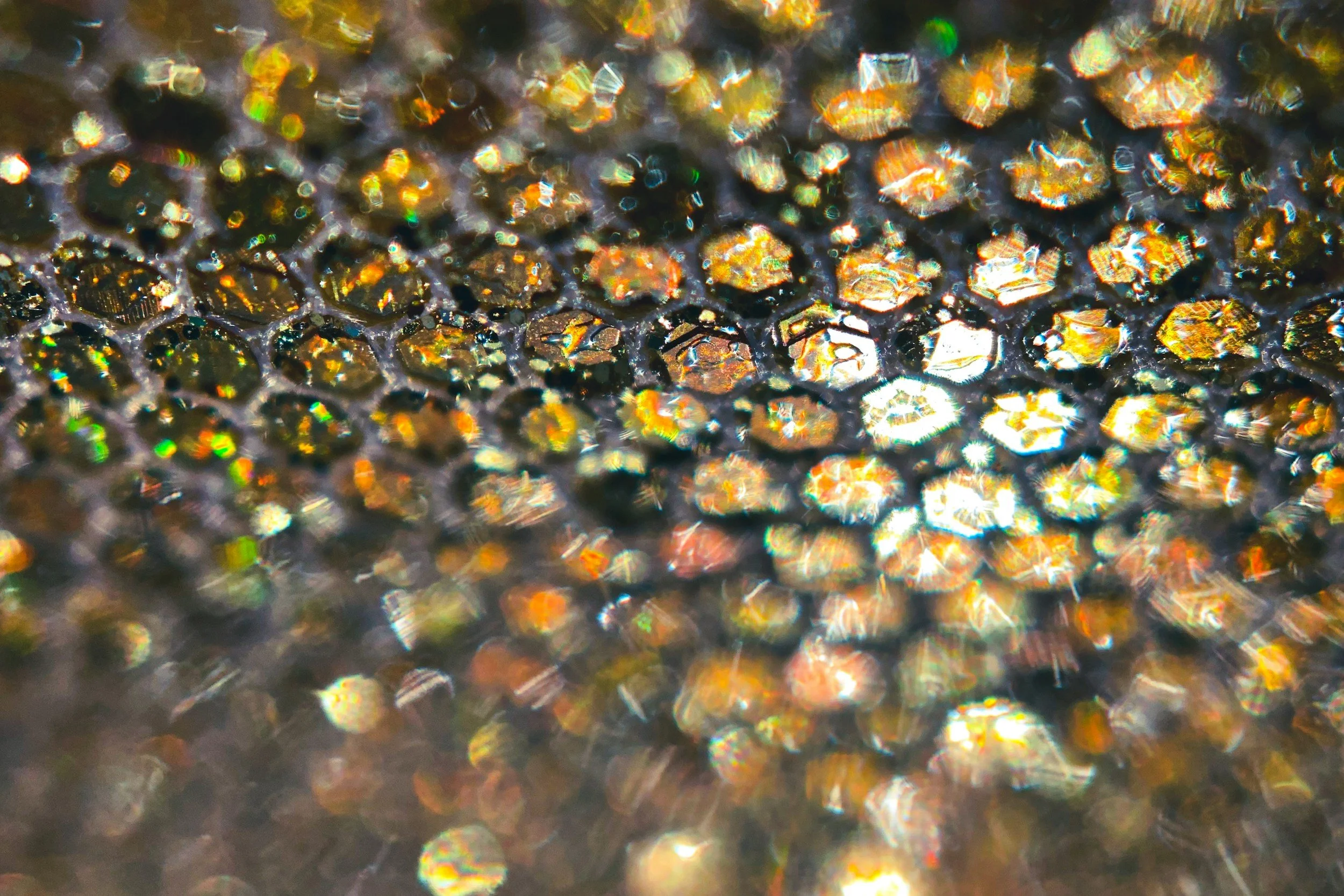
Sensory Delay as a Feature: Janus Microswimmers That Adapt to Light and Chemistry
New Janus microswimmers self-regulate propulsion speed in response to light and dissolved chemicals. A built-in sensory delay makes their localization sharper, not slower.
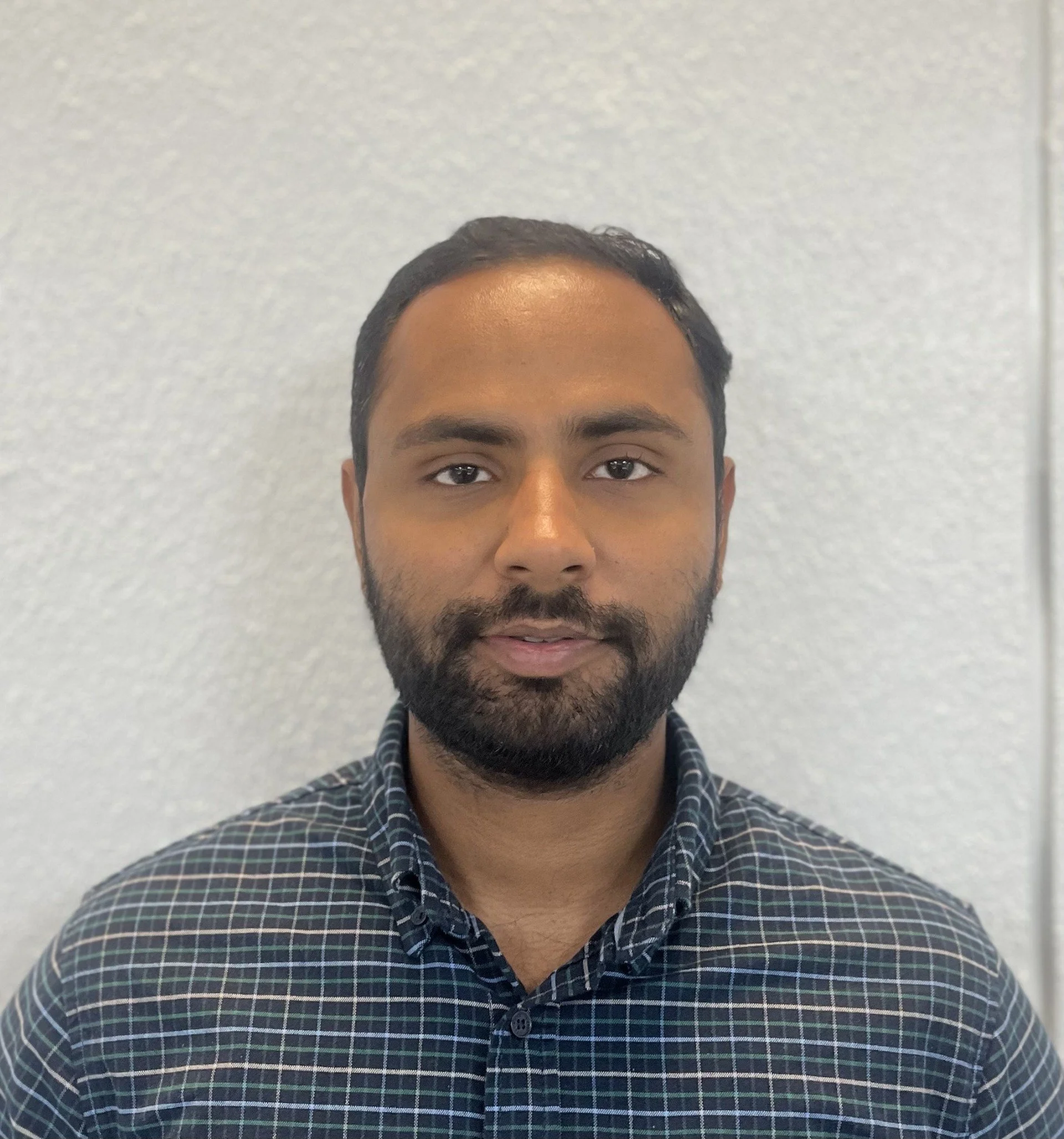
Member Spotlight: Ajay Vallabh on Tracking Forever Chemicals from the Molecular Scale Up
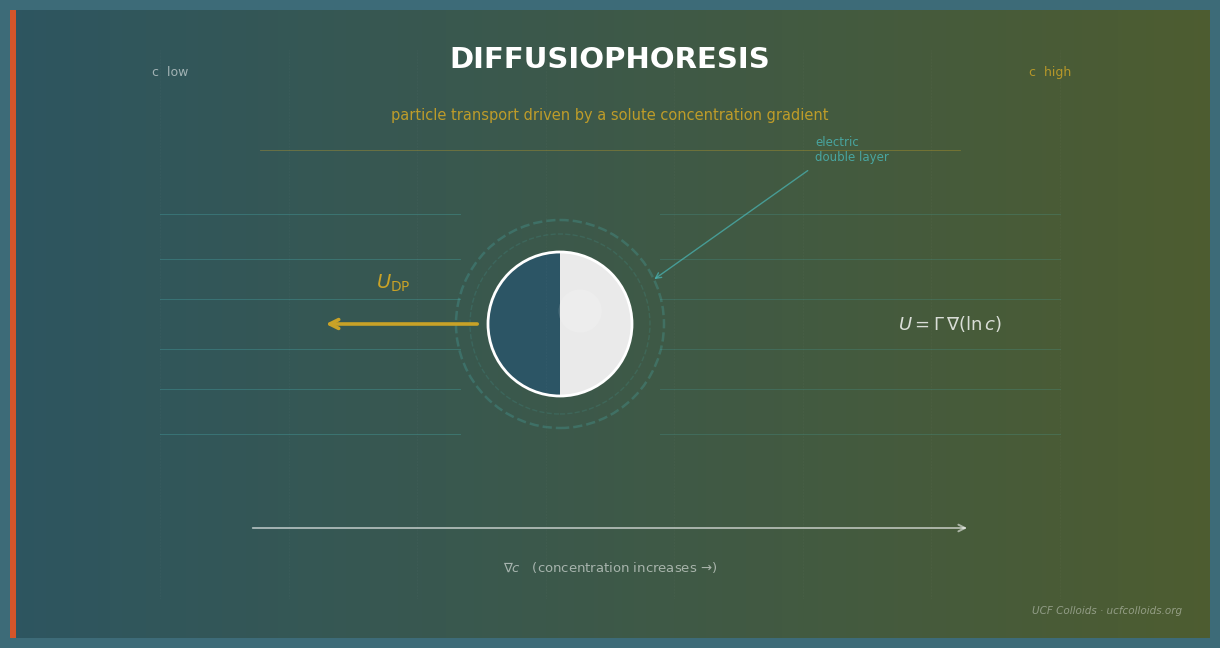
Diffusiophoresis: When a Concentration Gradient Moves a Particle
A dissolved salt can push colloidal particles without any fluid flow. Diffusiophoresis explains the mechanism — and why it matters across soft matter.
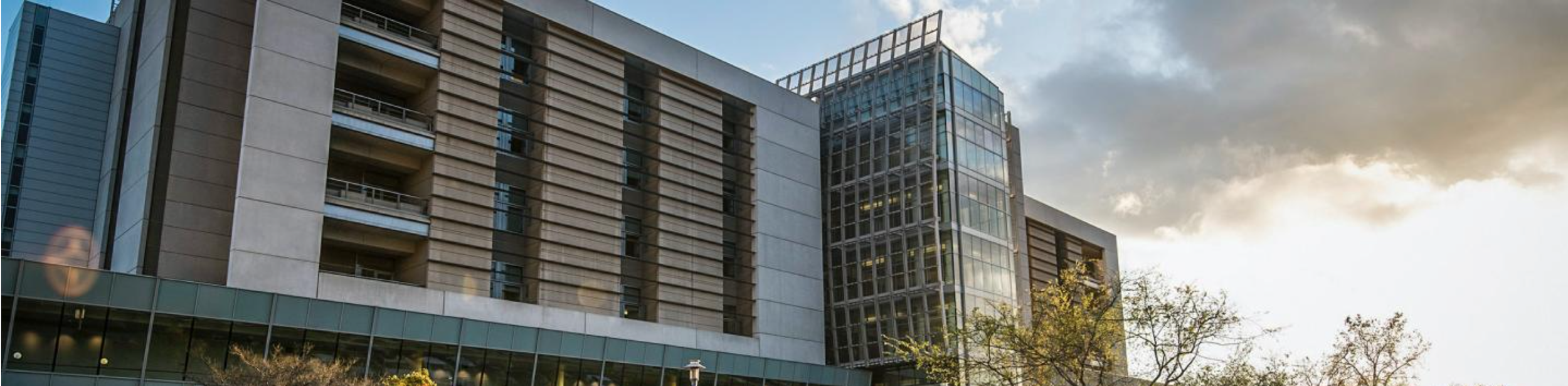
Summer Research Opportunity in Los Angeles: City of Hope Internship 2026
UPR students have the opportunity to spend the summer at City of Hope, gaining hands-on experience in cutting-edge cancer and immunotherapy research. Work alongside world-renowned scientist Dr. Michael A. Caligiuri and contribute to advances in NK cell–based therapies in a top-tier research environment.

Foundation Fellows: Empowering the Next Generation of Change-Makers in Puerto Rico
The Foundation Fellows Program offers students an immersive, mentor-driven experience that bridges academic knowledge and real-world impact, preparing them to lead interdisciplinary initiatives that advance Puerto Rico’s socioeconomic development.
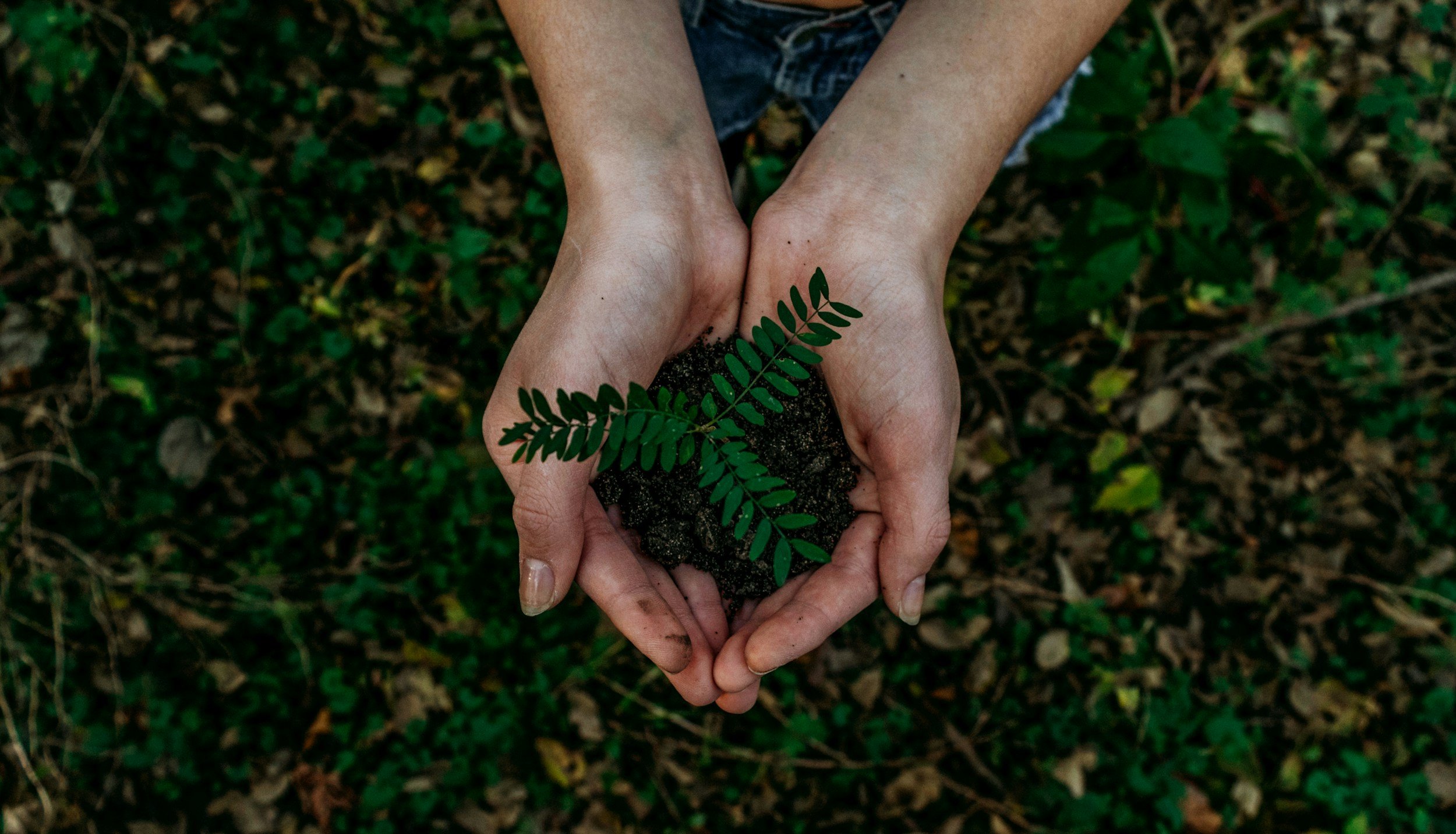
Soft Matter for Sensitive Skin: Research Opportunity for STEM Undergraduate Students
This research initiative for undergraduate students at UPRM unites soft matter science, sustainable product design, and community-driven innovation to create cleaner, nature-inspired solutions for Puerto Rico.
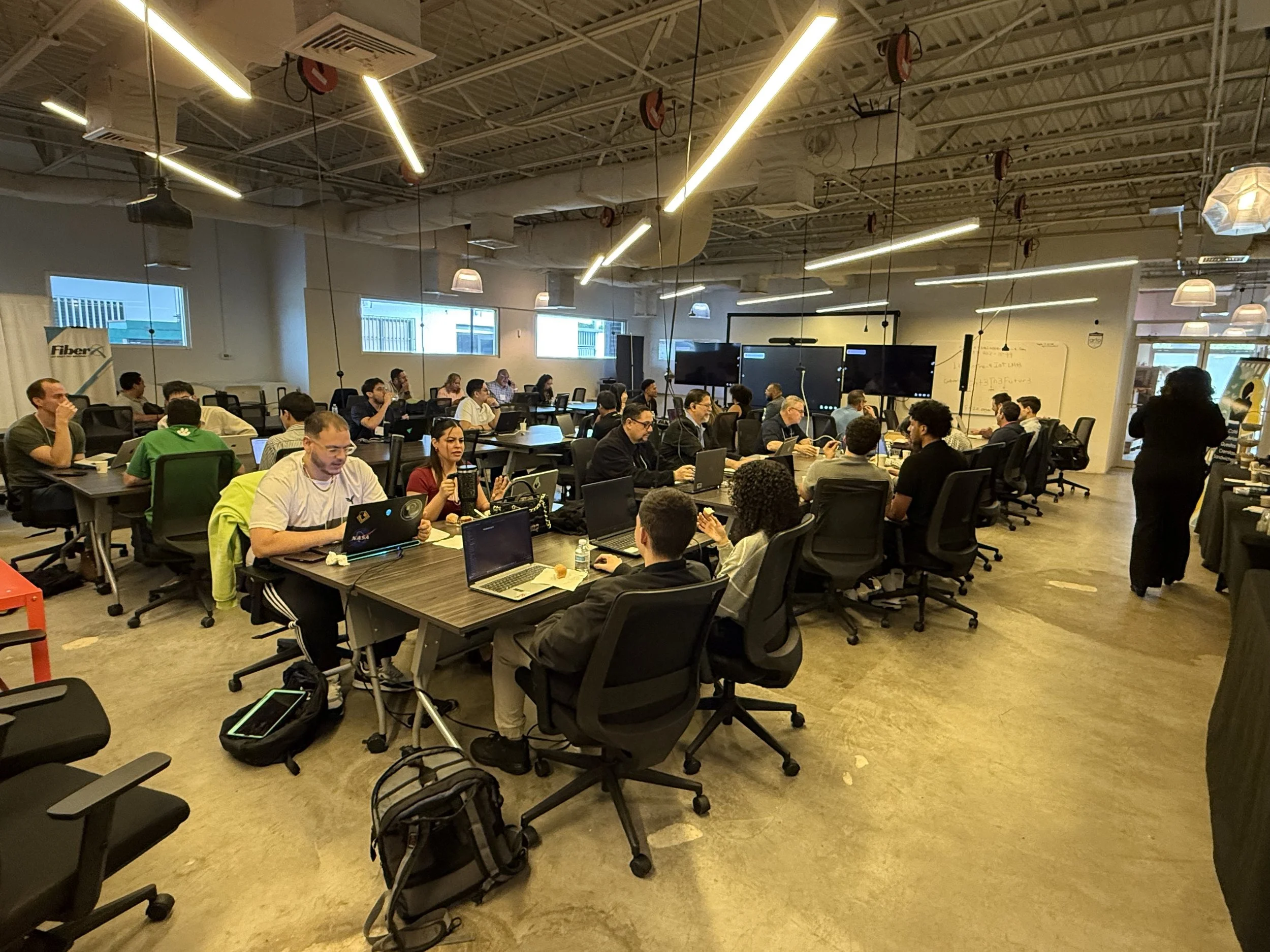
Winter School for Scientific Artificial Intelligence (SAI) 2026
The Winter School for Scientific Artificial Intelligence (SAI) returns January 7–10, 2026, uniting UPRM and Notre Dame to explore how AI is transforming research across science and engineering—now featuring an all-new AI Hackathon.