

The Making of Advanced Polymers for Better and Sustainable Manufacturing
It is demonstrated that polymers exist in the plastic water bottles we drink from and the DNA inside our cells, they are everywhere. These elongated, chain-like molecules have influence the modern life as we know it—and they are also pivotal to the progressive investigation of soft matter science.
Our research group at, Theoretical Soft Matter & Fluid Mechanics, at the University of Mayagüez is studying the behavior, interactions, and assembly of polymers in complex systems.
A polymer is a substantial molecule composed of many smaller repeating units known as monomers. These chains can be organic (such as proteins, starches, or DNA), or synthetic (like nylon, polyethylene, or silicone). Furthermore, they are unique because of their ability to differ in flexibility, viscosity and biodegradability.
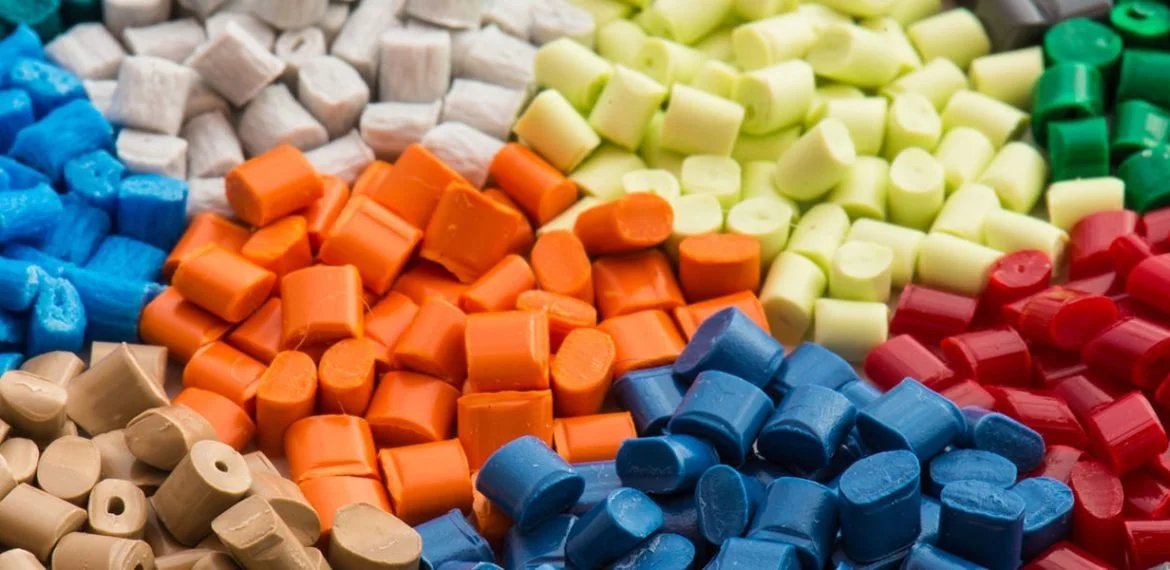
Image Source: https://www.millstreamengineering.com
These properties have made them the groundwork of materials science for over a century—used in everything from car parts to contact lenses.
• 1800s: Natural rubber and shellac used in early industrial applications
• 1907: Bakelite, the first fully synthetic polymer was invented
• World War II: The use of synthetic rubber and plastics increased
• Currently: Polymers are engineered for biomedical implants, drug delivery systems, and smart textiles
As materials have evolved, so have our requirements to comprehend how they behave under different conditions—which is exactly where soft matter research comes in.
In our research group, polymers are not just materials—they are tools, models, and building blocks in many research areas:
Modeling Polymer Behavior – Use of sophisticated computational models to understand how polymers behave (move, stretch, and respond) inside soft materials such as gels, emulsions, or liquid crystals.
Drug Delivery Systems - By incorporating polymers into gels or colloidal structures, scientists can create systems that release medication gradually and precisely, improving treatment outcomes.
Eco-Friendly Uses - Biodegradable plastics, are being studied for applications in sustainable packaging, filtration systems, and pollution management, minimizing environmental footprints.
Hybrid Materials – Polymers, when mixed with magnetic or amphiphilic particles, polymers help create responsive, “smart” materials for soft robotics, sensors, and flexible electronics.
Polymers are central to numerous material challenges— particularly in soft matter systems like gels, colloids, foams, and biological tissues. Ongoing research in this field can improve our understanding of complex systems in biology, engineering, and medicine. Moreover, it facilitates the creation of smart materials that alter in response to temperature, light, or chemical signals. Additionally, promote sustainability by developing polymers that are biodegradable or recyclable. Ultimately, it has the potential to fuel new industries, ranging from precision 3D printing to wearable medical devices.
At the Theoretical Soft Matter & Fluid Mechanics Research Group we combine extensive theoretical knowledge with practical insight.
Want to learn more about our work?
🔗 Visit us at: www.ucfcolloids.org