

Helping the Environment with Soft Matter
As climate change, pollution, and resource scarcity intensify, scientists are looking to unconventional frontiers for sustainable solutions—one of the most promising is soft matter physics. This field explores materials that are flexible, adaptable, and easily shaped—like gels, foams, colloids, and even biological tissues—offering new possibilities for cleaner technologies and smarter resource use.
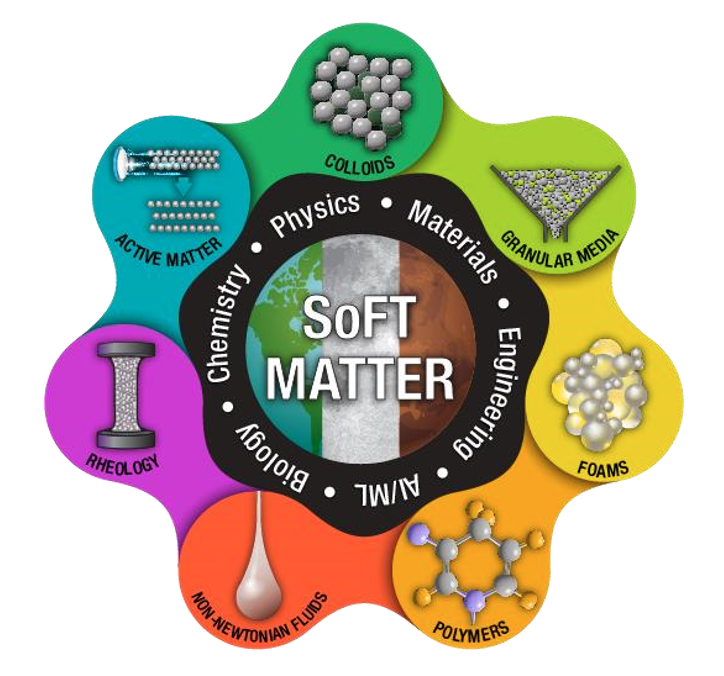
Source: Biological and Physical Sciences' Soft Matter logo highlighting its: colloids granular media, foams, polymers, non-newtonian fluids, rheology, and active matter research. NASA Glenn Research Center
Our research group is studying how soft matter science can be used not only to understand the natural world, but to actively restore and protect it.
Soft matter refers to materials that exist between solid and liquid states. Common examples include:
Liquids and colloids (like milk or ink)
Polymers and biodegradable plastics
Foams, gels, and emulsions
Biological matter-like cells, mucus, and membranes
What makes soft matter so special is how it responds to its environment—capable of changing shape, flowing, self-healing, and reorganizing itself at the microscopic or even nanoscale level.
How can soft matter help protect the environment? By designing new materials and systems inspired by soft matter, researchers find cleaner and through fluid systems soft matter science enables:
Biodegradable polymers and gels can be engineered to break down naturally, reducing plastic pollution.
Colloidal suspensions and hydrogel membranes are being developed to filter toxins, heavy metals, and microplastics from water—cleaning it without harmful chemicals.
Soft sensors can be embedded in natural environments—like oceans or forests—to check temperature, acidity, or pollution levels in real time.
Soft matter principles help design eco-friendly chemical processes that produce less waste and consume fewer resources.
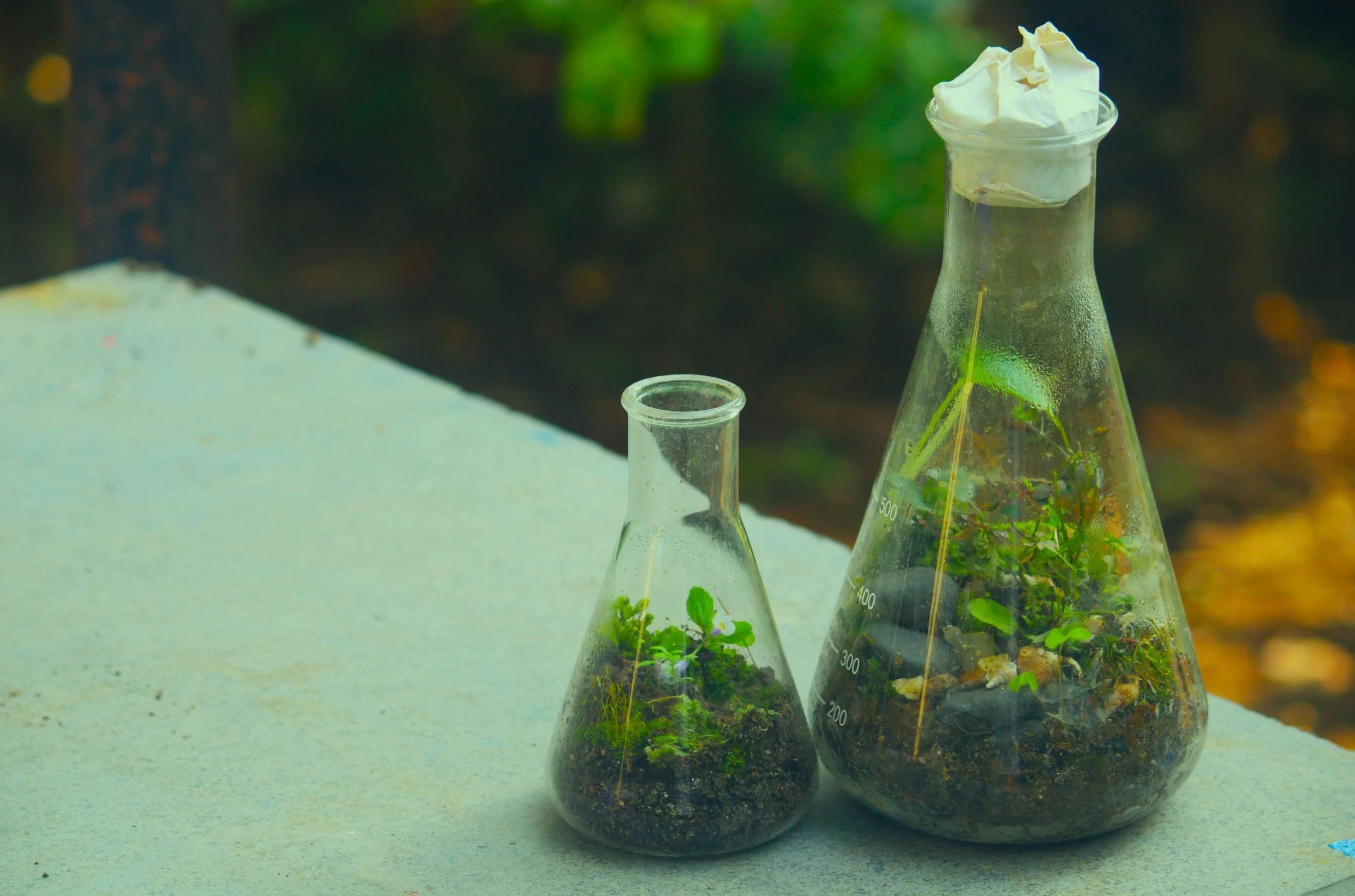
Our team is focused on the theoretical modeling of how soft matter behaves in fluid environments. By simulating how gels swell, how colloids move in water, or how soft membranes respond to pressure, can help engineers design new systems for environmental cleanup, and sustainable manufacturing.
With a strong foundation in mechanical engineering, our team has expanded into the nanoscale world of soft matter—where classical mechanics gives way to molecular motion and chemical interactions play a critical role. This interdisciplinary approach has led many members to deepen their expertise in chemistry and biophysics, broadening the team’s ability to explore the complex behavior of soft materials.
Our efforts are already yielding results, offering valuable insights into how soft matter can be tuned to clean water, reduce pollution, and improve material sustainability.
Join Our Research Team
If you’re a motivated undergraduate or graduate student interested in exploring cutting-edge research in soft matter and fluid mechanics, we invite you to complete the following form: