


Blog

The Making of Advanced Polymers for Better and Sustainable Manufacturing
Polymers—found everywhere from plastic bottles to DNA—are at the heart of the Theoretical Soft Matter & Fluid Mechanics Research Group’s work at the University of Mayagüez, where researchers explore their behavior, interactions, and applications to advance materials science, medicine, and sustainability.

A Conversation with Jonathan A. Victoria Camacho
The Theoretical Soft Matter & Fluid Mechanics Research Group at UPRM is pioneering innovations in soft materials by transforming complex theory into real-world impact.
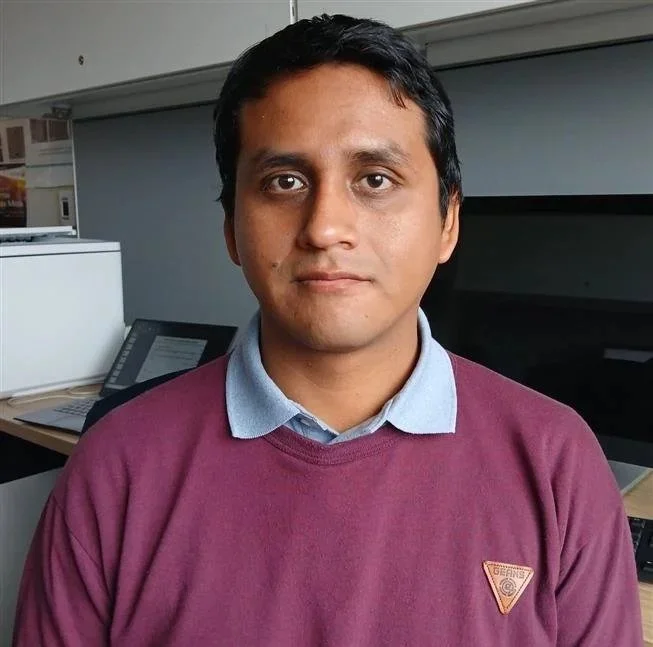
Student Spotlight: Luis R. Pérez Marcos
Luis R. Pérez Marcos, a master’s student in Mechanical Engineering at UPRM, is using computational simulations to uncover how microscopic particle interactions shape the behavior of magnetic suspensions. His research not only advances fundamental science but also paves the way for new technologies with real-world impact.
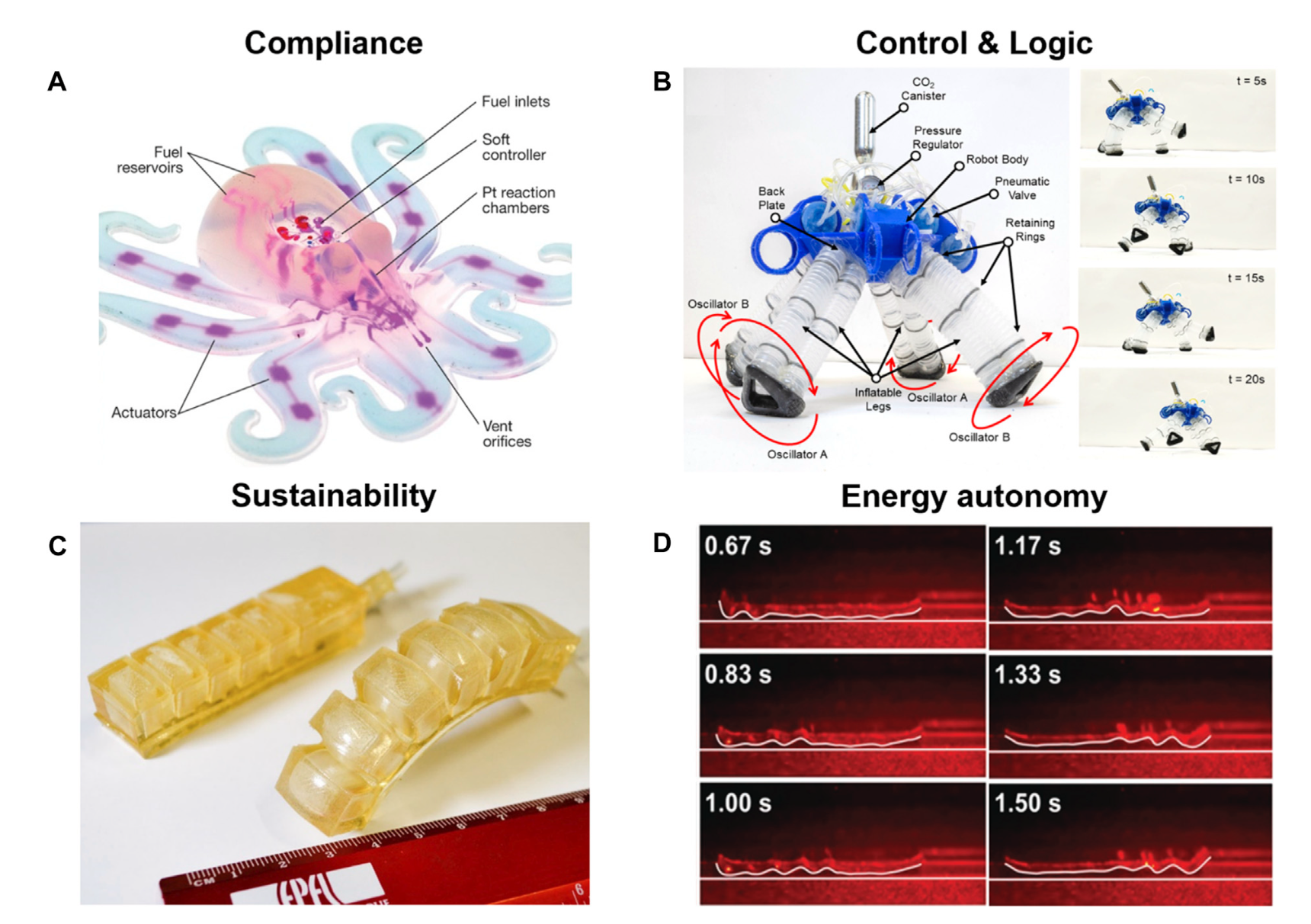
Soft Robotic Advances with Soft Matter
Merging Janus Colloids, Robotics, and Biomedical Innovation
What Is Soft Robotics?
Continued interdisciplinary research in materials, modeling, and control is essential to overcome current challenges and unlock the full potential of soft robotics for real-world applications.
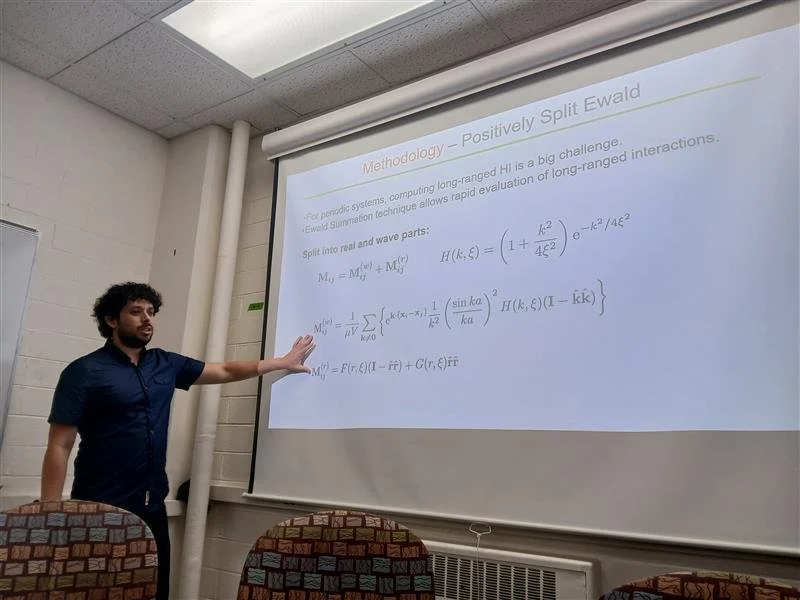
Student Spotlight: Salomón Horna-Shirola
Salomon Horna-Shirola’s groundbreaking research on magnetic colloidal gels is unlocking new possibilities by bridging fundamental science with real-world innovation.

Soft Matter and Healthcare: A New Frontier in Medical Innovation
Some of today’s most promising medical innovations are emerging from the world of soft matter—flexible, in-between materials like gels and tissues that naturally interact with the human body.
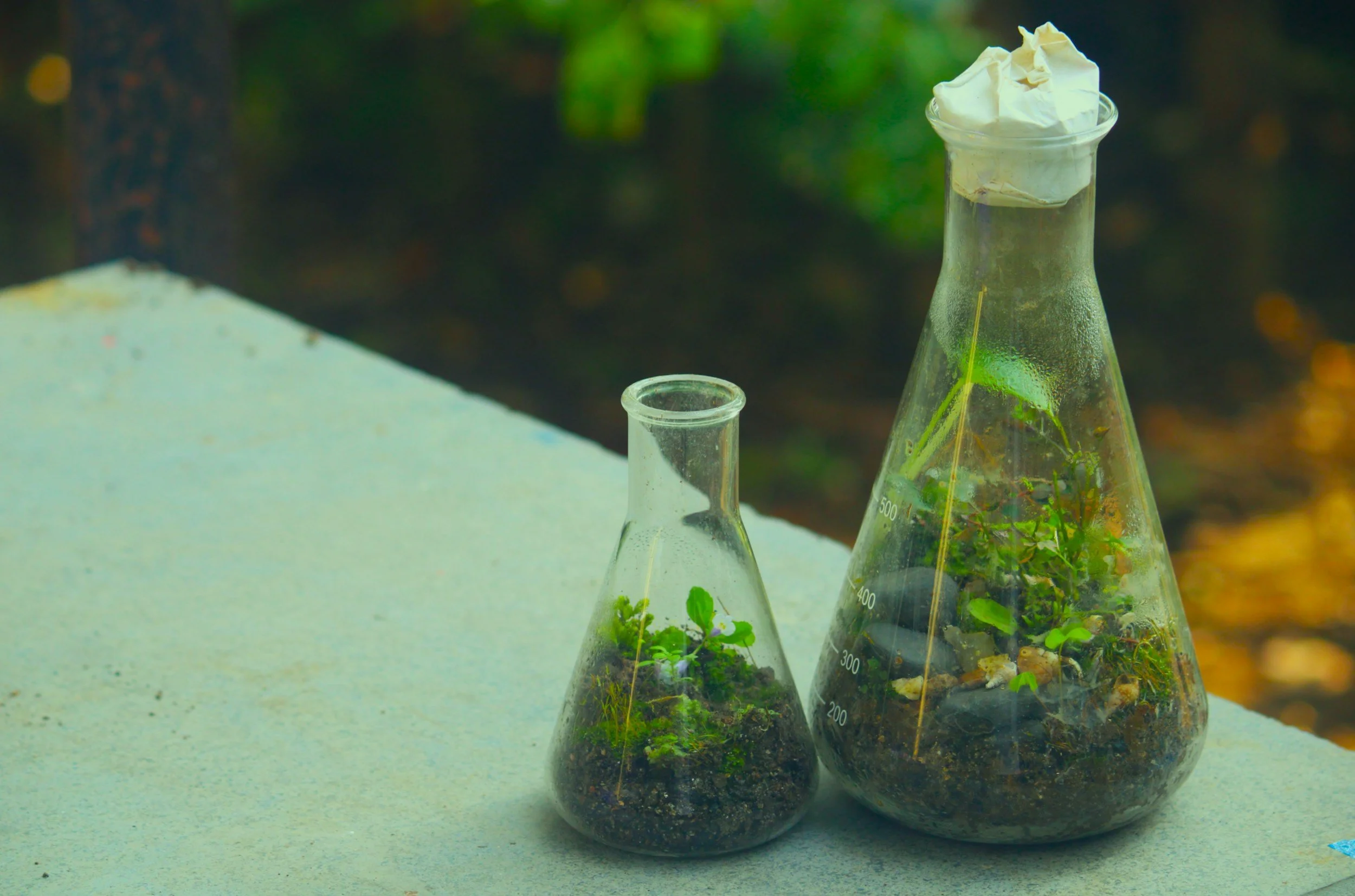
Helping the Environment with Soft Matter
Soft matter physics—through materials like gels, foams, and colloids—is emerging as a powerful tool for developing sustainable solutions to pollution, water purification, and environmental restoration.

Postdoctoral Fellow Spotlight: Birendra Ale Magar
Birendra Ale Magar is advancing the future of materials science by uncovering how tiny Janus particles break apart under flow, paving the way for smarter drug delivery systems and innovative industrial applications.

How Can AI Help Us in Science?
By combining artificial intelligence with soft matter research, our team is accelerating scientific discovery and driving innovations that could redefine the future of manufacturing, medicine, and sustainability.
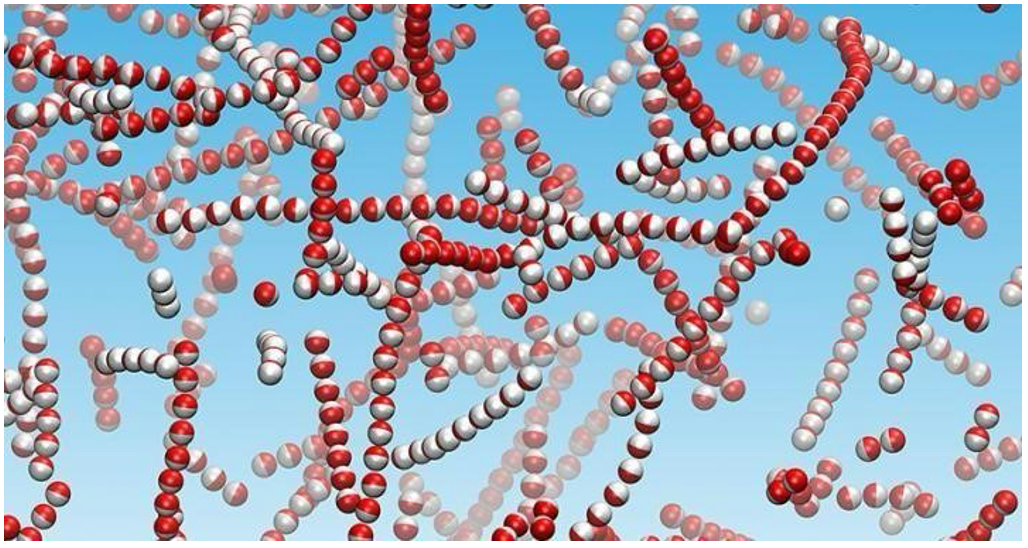
Janus Colloids: Unlocking the Potential of Dual-Function Nanoparticles
Janus colloids—tiny particles with two distinct faces—are revolutionizing materials science, and our team at UPR-Mayagüez is leading the way in uncovering their vast potential for engineering, manufacturing, and environmental innovation.

Student Spotlight: Wilmer A. Martinez-Valle
Wilmer A. Martinez-Valle is harnessing the power of physics, coding, and curiosity to design microscopic particles that could revolutionize medicine, diagnostics, and environmental cleanup.
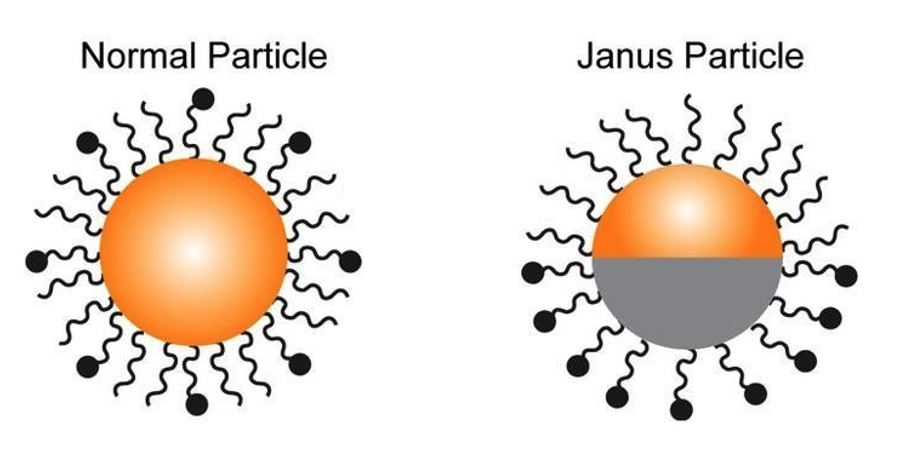
The Future with Janus Particles: Unlocking New Potential in Materials Science
In the world of innovative materials science, few innovations are as promising as Janus particles. With the ability to revolutionize industries from medicine to energy, these unique particles are poised to change how we think about everything from drug delivery to pollution control.

A New Era of Energy: Gallium Ferrite Batteries Promise Cleaner, More Powerful Future
The race for better battery technology just took a leap forward. Members from our research group have introduced a groundbreaking energy storage innovation: batteries made with Gallium Ferrite (GaFeO₃).
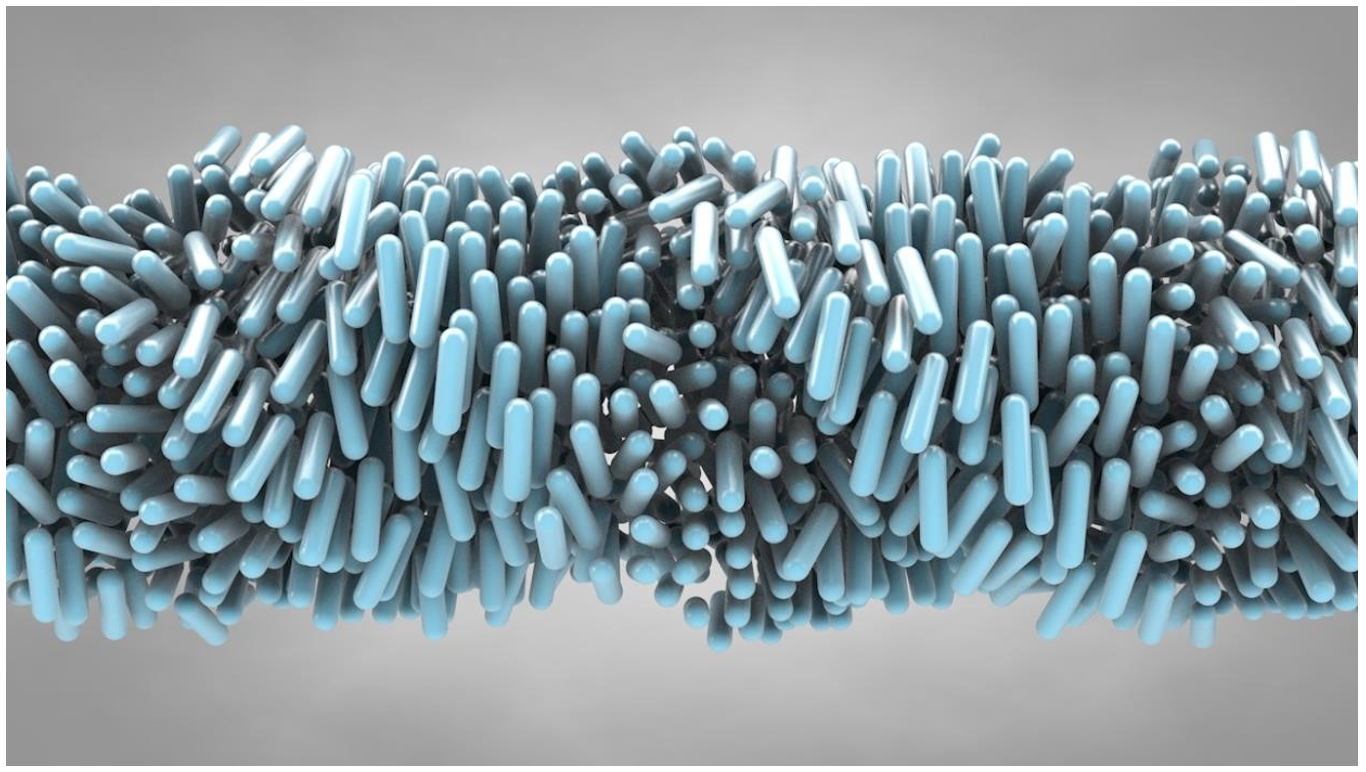
The Everyday Uses of Liquid Crystals: A Window into Soft Matter Innovation
Liquid crystals are fascinating materials that play a key role in modern technology, even though many people may not realize it. As part of the broader category of soft matter, liquid crystals have properties that fall between those of conventional liquids (like water) and solid crystals.
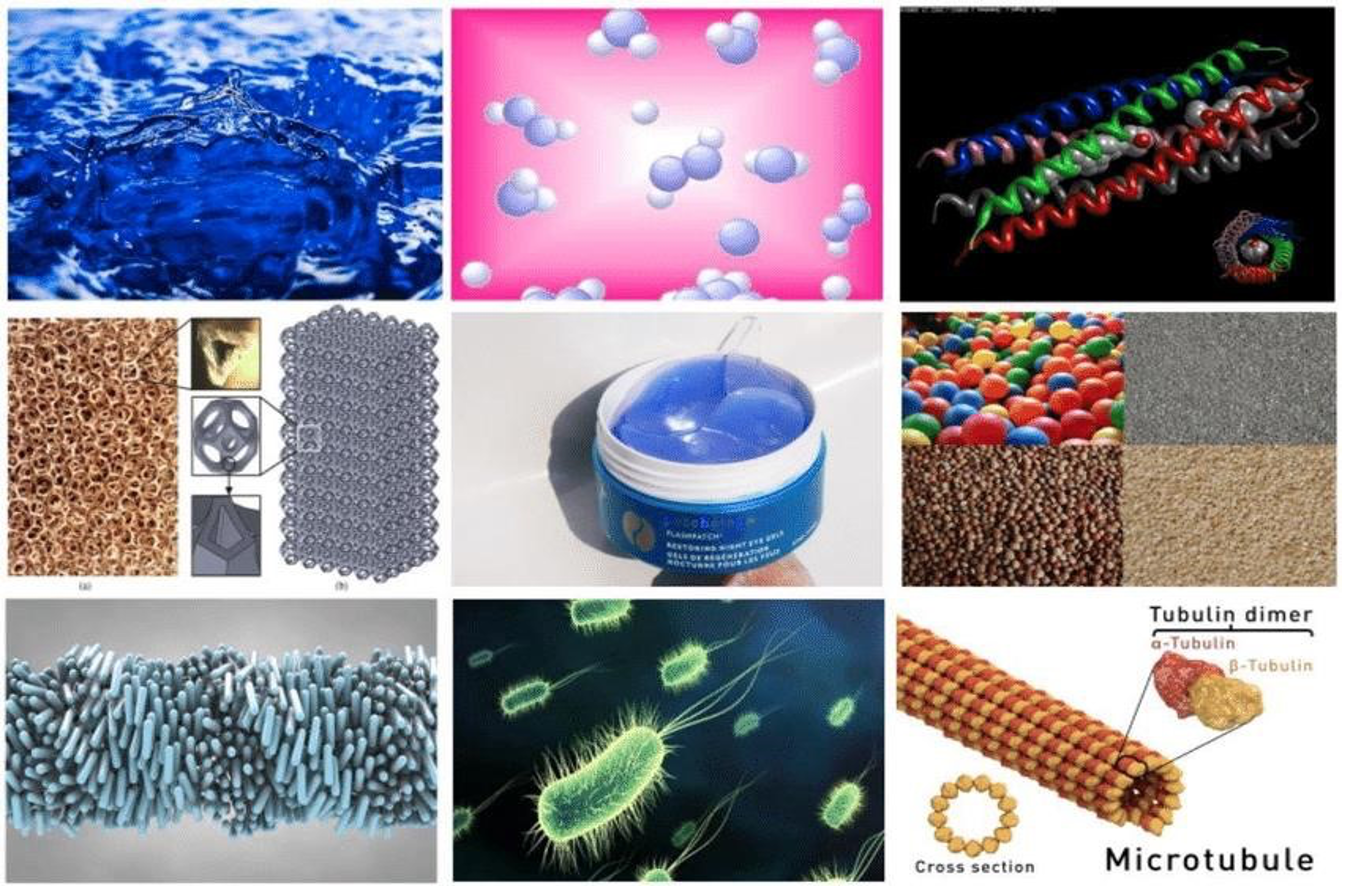
What Can Soft Matter Do? Exploring a Rising Field in Science
Soft matter is an increasingly important field at the intersection of physics, chemistry, materials science, and biology. Unlike traditional materials studied in solid mechanics, soft matter is characterized by its ability to deform or change structure.

Student Spotlight: Jonathan A. Victoria-Camacho
Jonathan Victoria Camacho, a Ph.D. student at UPRM, researches the self-assembly of magnetic Janus colloids using simulations. His work advances smart materials and biomedical applications, with notable publications and awards highlighting his contributions.

Research Seminar - Dr. Igor Aronson (Penn State) - Sep 24, 2024
In this seminar, Dr. Igor Aronson will present his latest research on active matter. Enzymatic nanomotors convert chemical fuel into kinetic energy, forming swarming groups that mimic the coordinated movements of natural organisms like bacterial colonies and fish schools. These swarms offer benefits such as increased coverage and longer propulsion. Through experimental and computational analysis, we investigate how factors like particle concentration and fuel viscosity influence swarm behavior, uncovering crucial insights for biomedical applications, including precision-targeted therapies.

Graduate Research Assistant and Teaching Assistant Position Available
New opportunity for graduate students in the field of Chemical and Electronics Engineering: "PRACTICE - Performance Refinement through AI Correction in Technical Writing." This initiative is designed to enhance the technical writing skills of graduate students by integrating artificial intelligence tools that provide real-time feedback and corrections.

Graduate Student Research Opportunity in Computational Liquid Crystal Dynamics
Join Dr. Ubaldo M. Córdova-Figueroa's team at UPRM to work on liquid crystal colloids. Participate in computational simulations, publish your research, present at conferences, and take part in NSF-funded PREM activities. Ideal for students interested in soft matter and computational research.