

Abstracts Are Open for the 2027 APS Global Physics Summit — Soft Matter Heads to Atlanta
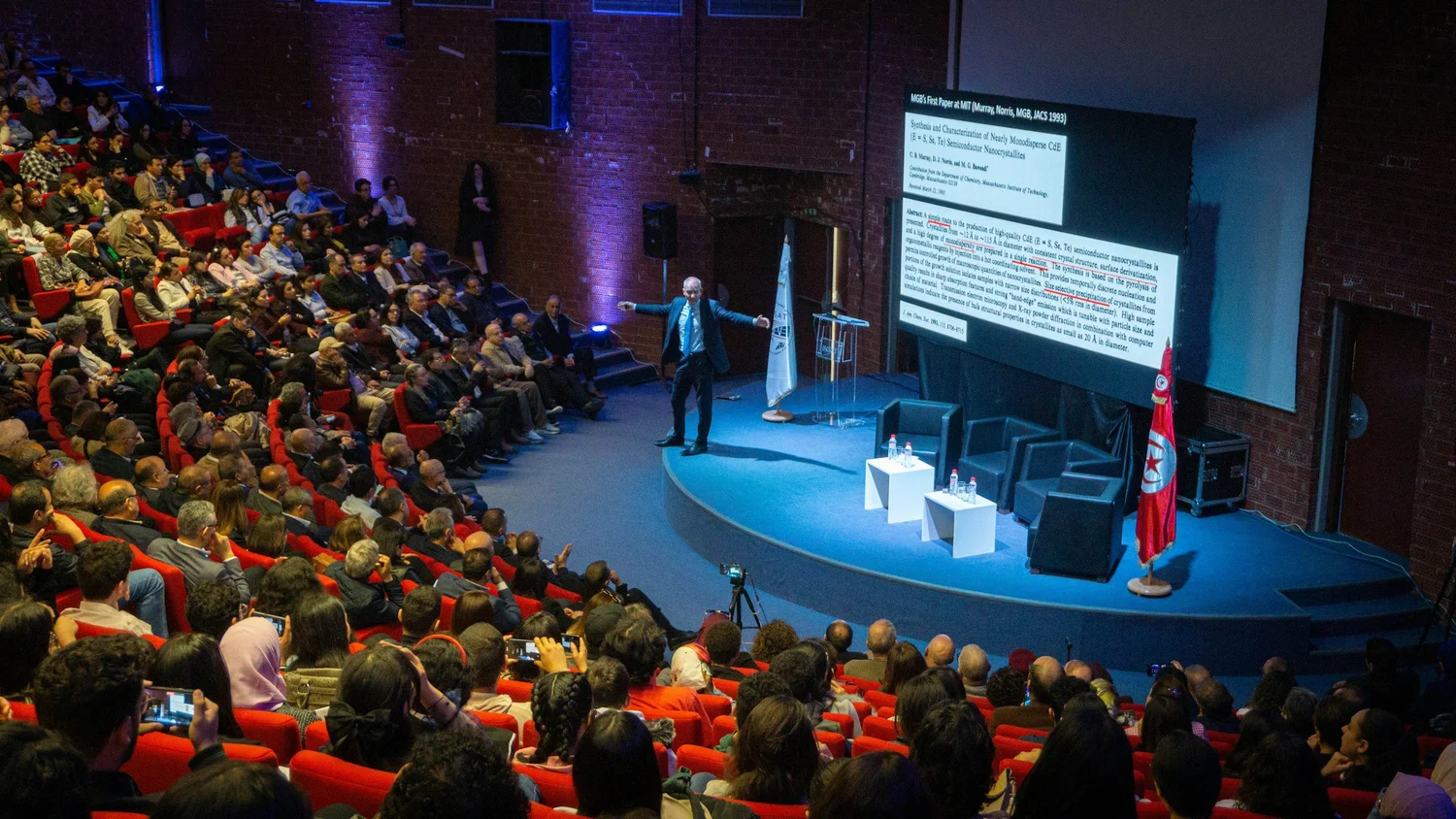
The abstract window for the 2027 APS Global Physics Summit opened on September 9 and closes on October 22, 2026. That is roughly five weeks from today. If you have a result in colloidal physics, active matter, microfluidics, or soft condensed matter that is ready to be shown to a room, this is the deadline that matters this fall.
What the meeting is
The Global Physics Summit is the American Physical Society’s consolidated annual meeting — the gathering that absorbed what many researchers still call the March Meeting. The 2027 edition runs April 11–16, 2027, on the Atlanta, Georgia campus and simultaneously online. APS reports more than 14,000 attendees and over 10,000 submitted abstracts in a typical year, spanning sorting categories from quantum information to soft condensed matter.
Scale is the point. A soft matter session at the Summit sits a corridor away from sessions on granular flow, biological physics, polymer physics, and statistical mechanics, and the people who wander in from those corridors ask different questions than the ones you get at a specialist meeting. For a student presenting for the first time, that breadth is uncomfortable and useful in roughly equal measure.
What to know before submitting
- Dates: April 11–16, 2027, Atlanta, GA, with a full virtual track.
- Abstract window: September 9 – October 22, 2026.
- Membership: you must be an APS member to submit an abstract. Student membership is inexpensive and takes minutes; do it before you start the submission, not during.
- Format: contributed abstracts may be submitted for either an oral talk or a poster, and either in person or virtually. Choose the sorting category carefully — it determines which session your talk lands in, and a mis-sorted abstract on colloidal self-assembly can end up in front of an audience that has no context for it.
- Submit: summit.aps.org/attend/abstracts, with the category list on the sorting-categories page.
Why our community should be there
Soft matter has spent the last decade borrowing tools from everywhere — machine-learned interaction potentials, topological arguments imported from condensed matter, imaging methods built for biology. The Summit is where that borrowing happens face to face. Work on field-directed assembly, active suspensions, and colloidal microstructure benefits disproportionately from an audience that includes people who do not already agree with your framing.
The virtual track also matters for us specifically. Travel budgets from Puerto Rico are real constraints, and a meeting that accepts virtual oral presentations on equal footing removes one of them. A student who cannot fly to Atlanta can still present, still be listed in the program, and still have the talk on a CV.
If you are in the group, or at UPRM
Graduate and undergraduate students working in the Córdova-Figueroa Research Group: bring your draft abstract to a group meeting before mid-October so it can be read by someone other than you. A contributed abstract is short enough that a weak first sentence costs you a large fraction of the space, and long enough that vagueness hides easily. Undergraduates at UPRM who have a summer or academic-year research result worth showing should also consider it — APS runs dedicated undergraduate programming at the meeting.
Anyone at UPRM outside the group who wants a second pair of eyes on an abstract in soft matter, fluid mechanics, or colloidal physics is welcome to send it our way.
In May we pointed to APS DFD in Orlando for the fluid-dynamics side of the community. This is the other half of the APS calendar — and its deadline is the one in front of us.