


Blog
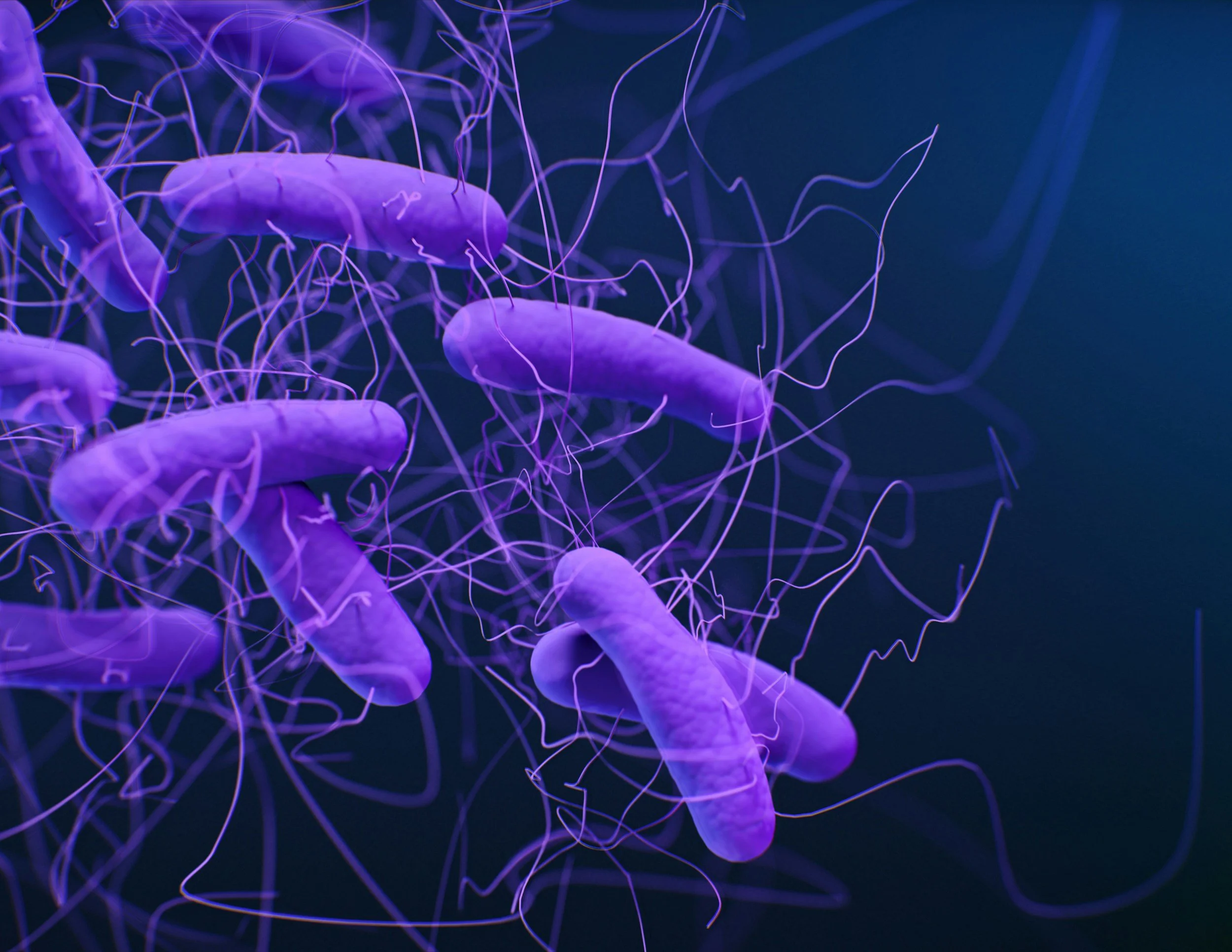
Make the Swimmer Longer and the Swarm Changes: Shape Anisotropy in Active Rods
Light-driven colloidal rods reorganize into swarms, turbulence and jams as their aspect ratio and crowding change. One experiment maps the whole state diagram.

Abstracts Are Open for the 2027 APS Global Physics Summit — Soft Matter Heads to Atlanta
The call for abstracts for the 2027 APS Global Physics Summit runs September 9 to October 22, 2026. If you work on colloids, active matter, or soft condensed matter, this is your window.

Why Some Colloids Stay Suspended and Others Clump: DLVO Theory and the Electric Double Layer
Whether milk stays milky or mud settles out comes down to a contest between two forces acting across nanometers. DLVO theory keeps the score.
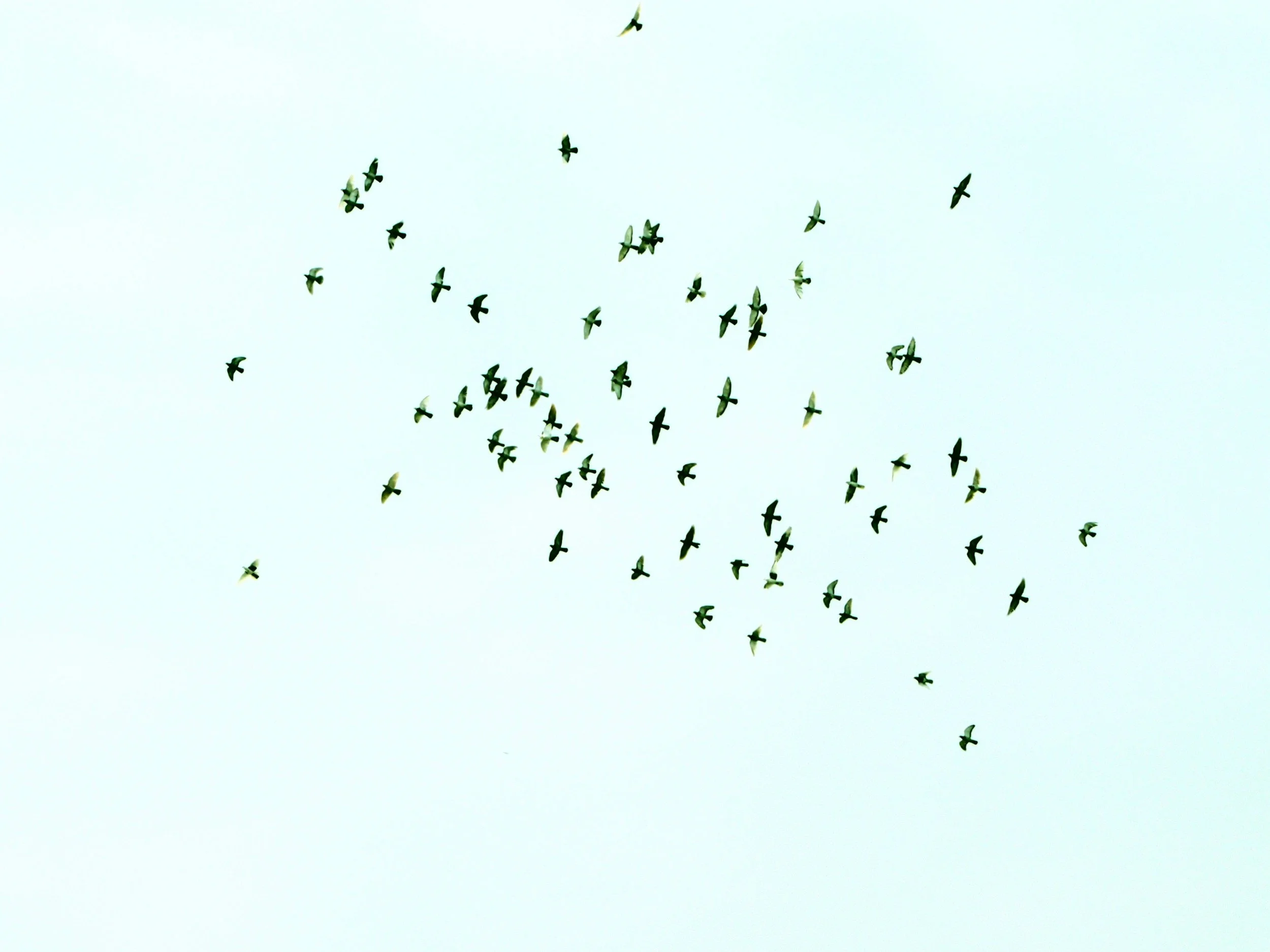
When Particles Synchronize and Swarm — A Tunable Colloidal Swarmalator

What the Péclet Number Tells Us About Particle Transport

From Target to Particle: Inverse Design Comes to Colloidal Self-Assembly
Generative models, surrogate optimization, and reinforcement learning are flipping the colloidal self-assembly workflow from forward to reverse.
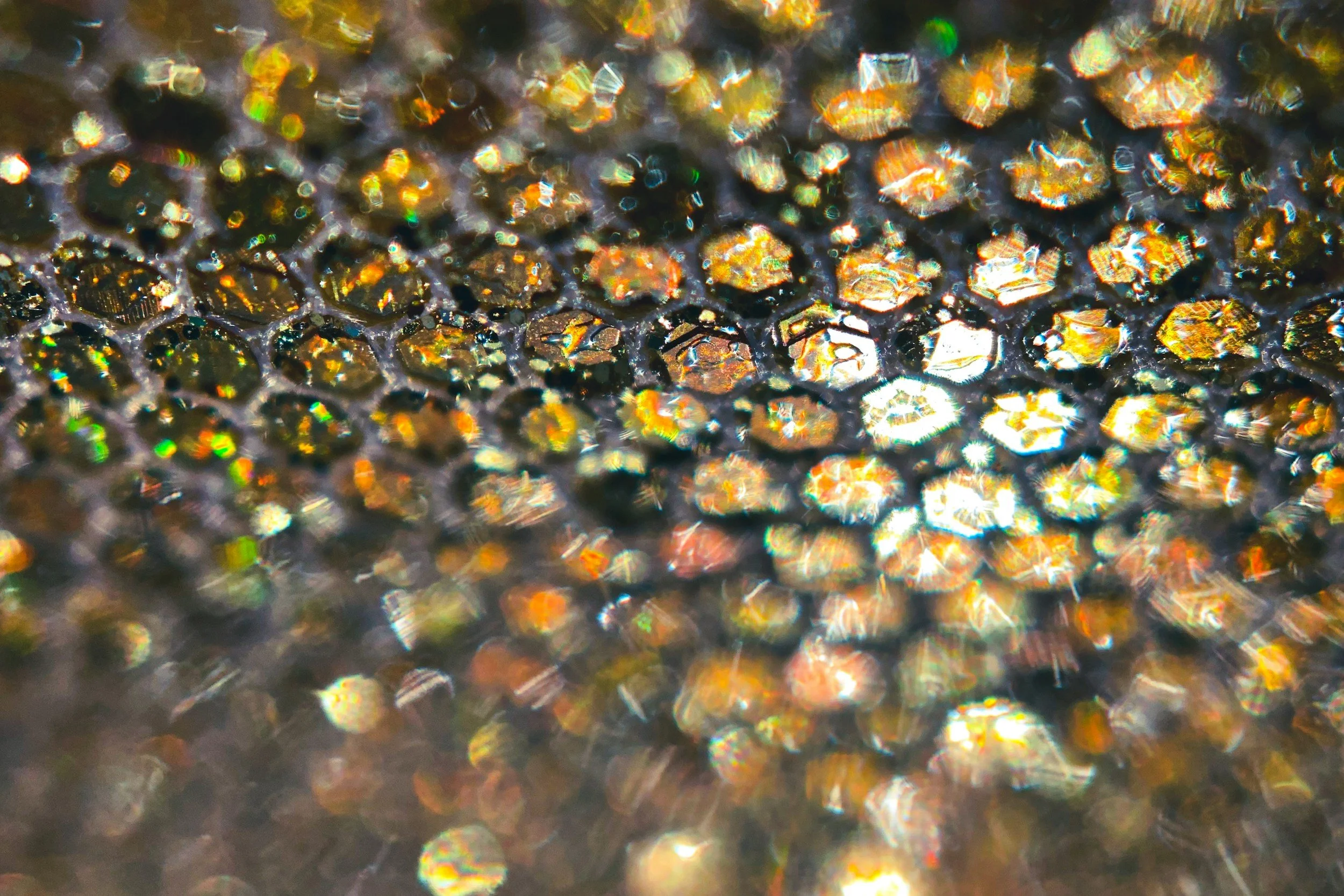
Sensory Delay as a Feature: Janus Microswimmers That Adapt to Light and Chemistry
New Janus microswimmers self-regulate propulsion speed in response to light and dissolved chemicals. A built-in sensory delay makes their localization sharper, not slower.
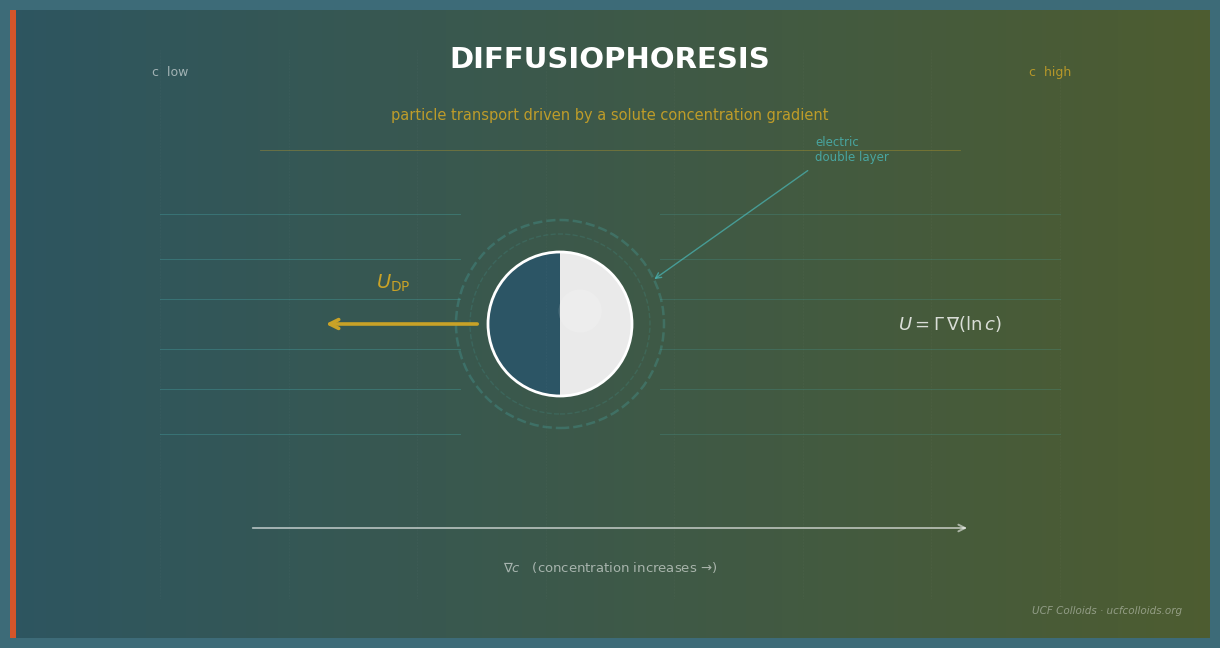
Diffusiophoresis: When a Concentration Gradient Moves a Particle
A dissolved salt can push colloidal particles without any fluid flow. Diffusiophoresis explains the mechanism — and why it matters across soft matter.